
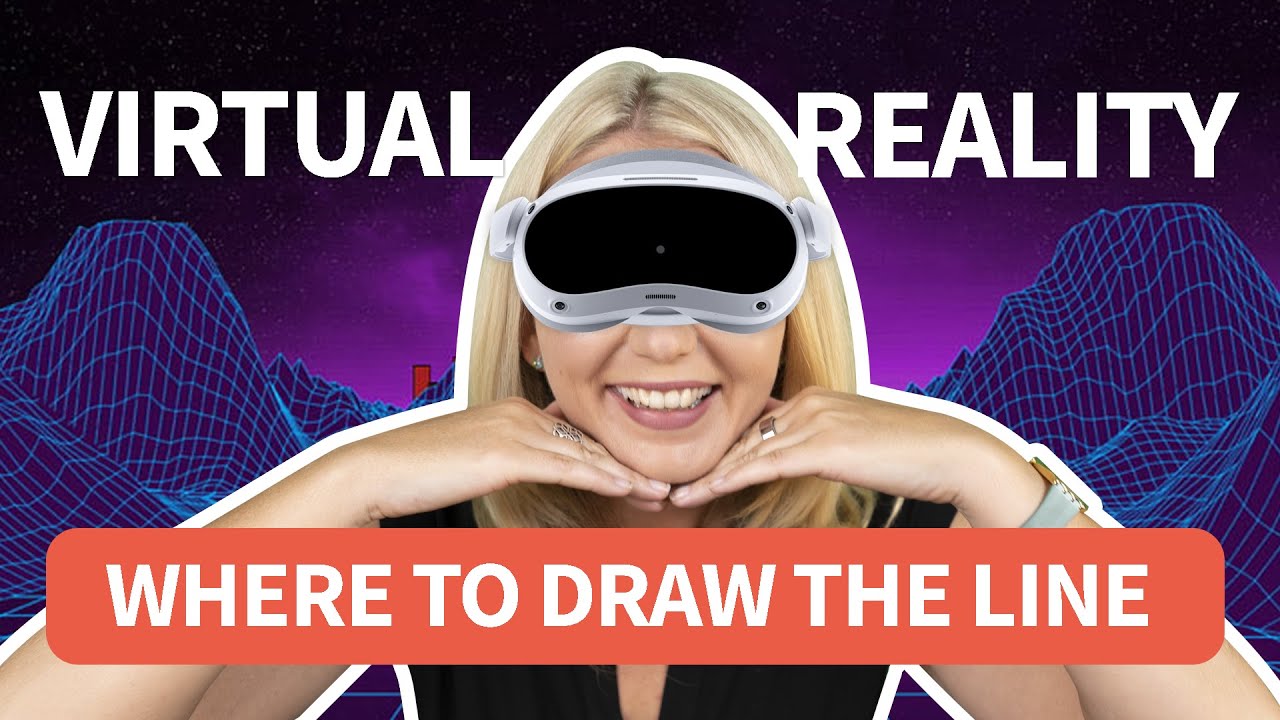
VR in education: promise or pitfall? An educator's honest take on the role of VR in the classroom
Let's talk VR in education—one of the buzziest topics floating around faculty lounges and EdTech forums alike. As the price of VR headsets drops and the tech becomes more accessible, the enthusiasm is growing. And fair enough—who wouldn't want to transport their students to Ancient Rome or inside the human brain with the flick of a switch?
But while VR in education is thrilling, I'm raising my teacherly hand to say: let's proceed with caution.
The double-edged sword of VR in education
As educators, we're constantly on the hunt for ways to boost engagement. And yes, VR has an undeniable wow-factor. It's immersive. It's a novelty. It's full of potential. But this alone doesn't equal effective learning.
VR in education must be more than a flashy add-on—it has to serve a clear pedagogical purpose. Otherwise, we risk swapping meaningful connection for isolation. After all, how collaborative can a classroom be when each student is lost inside their own headset?
This isn't to say I'm anti-VR—not at all. As a learning designer, I find the possibilities of VR in education incredibly exciting. But I'm also realistic about where we are on the journey. Designing effective learning experiences in VR is a massive lift. If it takes hours to storyboard and produce a simple video, imagine what goes into crafting an interactive 3D environment.
Right now, most VR in education content is created by third-party providers. That means we, the educators, are being handed ready-made experiences instead of designing them ourselves. Until we get our hands dirty—building, testing, iterating—it's hard to truly judge the value of these tools in real learning contexts.
So... is VR in education worth it?
Here's the real question we should be asking before jumping on the VR bandwagon: Is this the best way to teach this concept?
Sometimes, VR in education is the answer. Visualising complex systems, exploring impossible environments, or practicing high-risk procedures—these are areas where VR shines.
But other times? A simple group discussion, a low-tech simulation, or even good ol' paper and colourful markers might offer a deeper, more connected learning experience. Not to mention, they're far more inclusive—financially and socially.
VR can be isolating. It can be expensive. And if not used purposefully, it can distract more than it educates.
So yes, VR in education has a place—but it's not the place. It's one tool in our already overflowing teaching toolkit. The key is knowing when and how to use it for maximum impact.
Let's keep exploring, experimenting, and asking hard questions. Because if we get this right, VR in education could become a game-changer—not just a gimmick.