
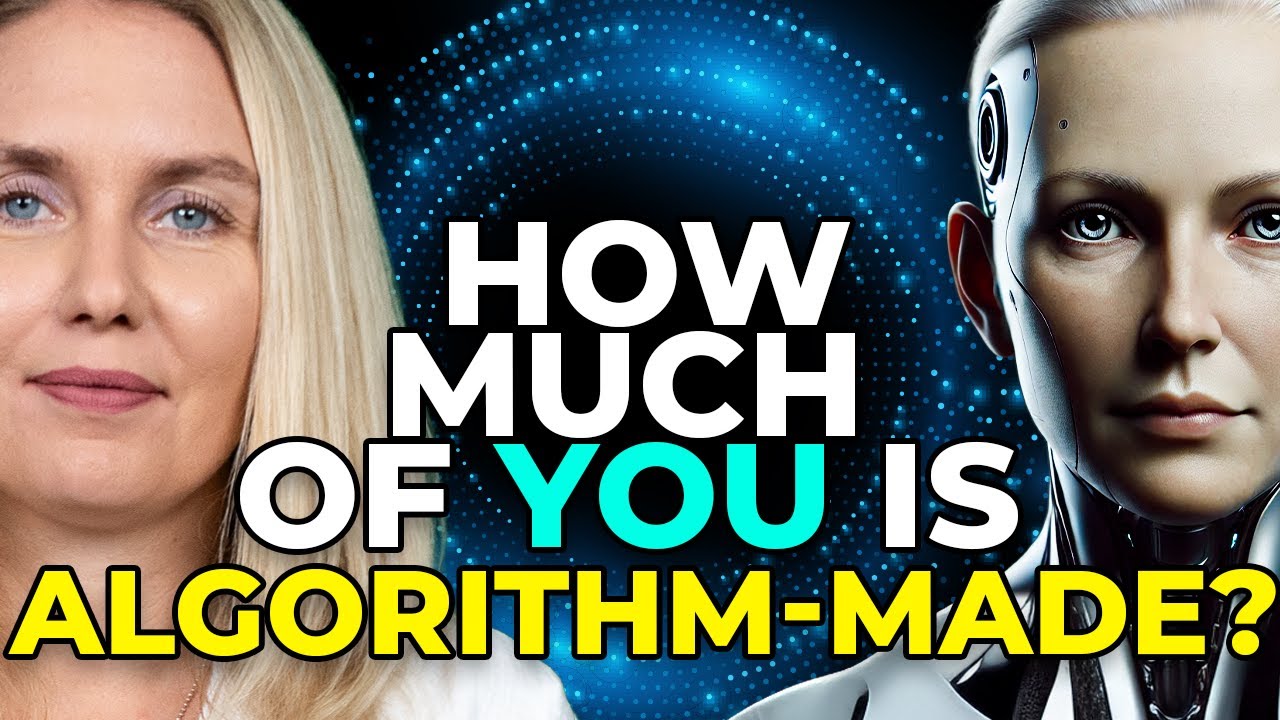
AI algorithms, decreasing self awareness, and the digital boundary we all need
How well do you really know yourself? And how well do AI algorithms know you? We live in a time when AI algorithms can predict what we want before we know we want it. In this reality, the age-old challenge of “knowing thyself” isn’t just philosophical, it’s a digital survival skill. The stakes for self awareness have never been higher, and neither has the need for a clear digital boundary.
Hi, I’m Bianca Raby: educator, CEO, and deep thinker. A few months ago, I broke my own digital boundary: I asked my go-to chatbot (I call him Todd) a personal question. I gave him some info about my personality, content style, and values. Then I asked: How should I shift this channel to better reflect me?
AI algorithms are challenging our self awareness
Todd’s response was so eerily accurate, I had to get up and walk away from my laptop.
He pointed out blind spots, emotional tone, even how I naturally prioritise depth over metrics. I didn’t tell him any of that. Seems he had more “self awareness” of me than I did.
It was my first real taste of how powerful AI algorithms are—not just at answering questions, but defining us.
That moment raised big questions for me:
- How do we stay rooted in self awareness when AI algorithms are shaping our desires and choices?
- How do we set a healthy digital boundary when the tools we rely on for connection and expression are also nudging our identity?
We often think of self awareness as something we discover through journaling or introspection. But now, it’s also about resisting the default narratives we’re fed.
Because every scroll, every click, every pause gets mapped and recycled by AI algorithms to refine what we see, and who we believe we are.
That’s why setting a digital boundary isn’t about disconnecting entirely. It’s about consciously creating space between who we are and what we’re shown.
As educators and leaders, we need to model this. Self awareness in the age of AI algorithms requires vigilance and compassion. Vigilance to notice when we're being subtly shaped. Compassion for when we fall into it anyway.
How to build a digital boundary
So what can we do?
- Start building rituals of self awareness outside screens—like writing by hand or walking without a podcast.
- Set a strong digital boundary by turning off notifications, taking social detox days, and curating what we consume.
- Help young people name these forces and reclaim their agency.
Because the real danger of AI algorithms isn’t just misinformation, it’s identity erosion. And the remedy is deep, reflective self awareness, protected by strong digital boundaries.
This week, try one small act of algorithmic resistance.
Then ask yourself: Did I choose this thought, or was it served to me?
Let’s stay awake. Let’s stay human.
Until next time, stay awesome.