
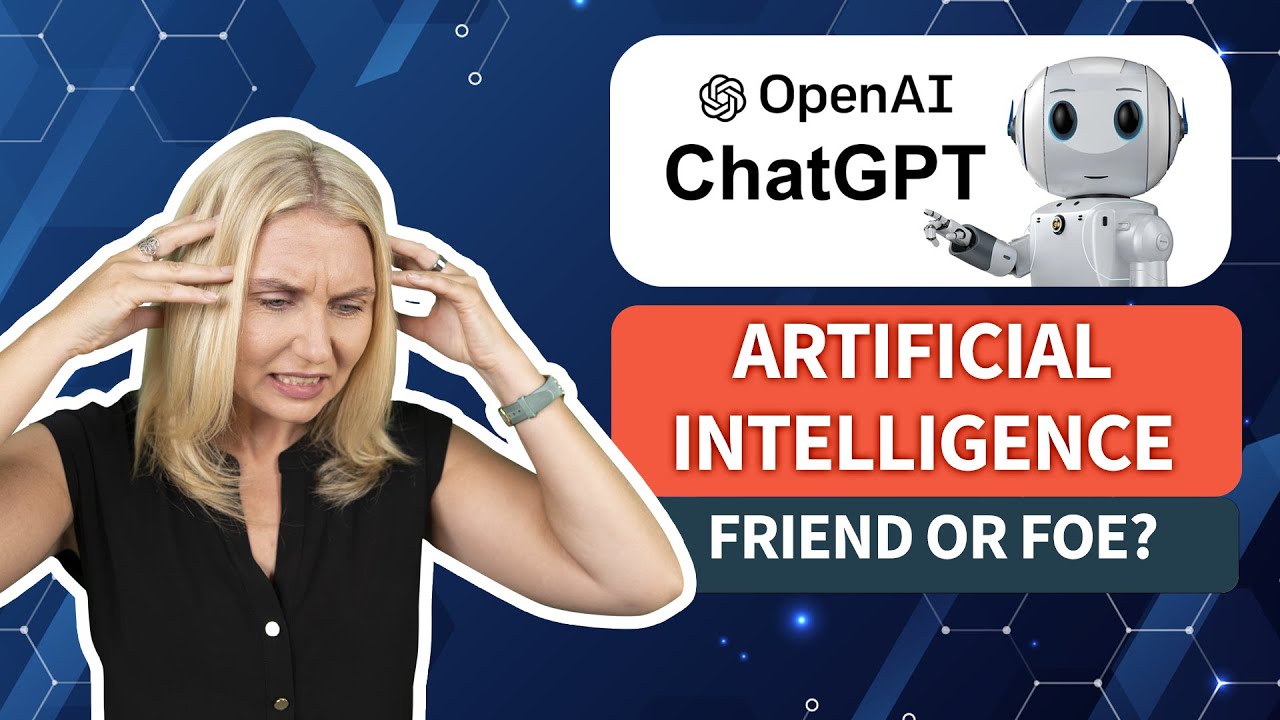
ChatGPT and Instructional Design: a revolution in real time
Unless you've been living under a digital rock, you've probably heard of ChatGPT. And if you're in Instructional Design, you might be feeling everything from excitement to existential dread. That's okay. I'm right there with you.
Hi, I'm Bianca Raby—educator, Learning Designer, CEO of Oppida, and now, recently AI-curious. Since ChatGPT launched on November 30, 2022, I've been tumbling down an AI rabbit hole. My initial reaction? A bit of panic. But now, I see real promise for tools like ChatGPT—especially for teachers and those of us in the Instructional Design space.
Let's look at six reasons ChatGPT could actually be a game-changer for educators and learning designers.
ChatGPT and Instructional Design: six positive implications for educators
1. Personalised learning at scale
ChatGPT brings the dream of personalised learning closer to reality. With its natural language processing superpowers, it can offer tailored feedback, suggest resources, and explain tricky concepts—all in real time. For Instructional Design, this means we can now create scalable 1:1 learning experiences without cloning ourselves.
2. Automated grading and feedback
Imagine freeing up hours usually spent on repetitive grading. With ChatGPT, we can build systems that evaluate written assignments, offer structured feedback, and even track learner progress. This lets educators and Instructional Design teams focus more on strategy, engagement, and improvement—not admin.
3. 24/7 learner support
Whether it's 11 a.m. or 11 p.m., ChatGPT is available. This round-the-clock accessibility supports diverse learners across time zones and schedules. In Instructional Design, we talk a lot about flexibility—this is flexibility personified.
4. Supplementing (not replacing) teachers
Let's be clear: ChatGPT isn't here to take your job. But it can help lighten the load. Think of it as a digital co-teacher that can answer common questions, recommend additional resources, and support students when you're not available. Smart Instructional Design will find creative ways to blend AI like ChatGPT and human touch.
5. Lightning-fast lesson planning
Need a curriculum-aligned lesson plan in under five minutes? Yep, ChatGPT can do that. And while it's not perfect, it's a brilliant starting point for teachers and Instructional Design professionals who want to iterate fast and smart.
6. Interactive learning materials
Conversation simulations, knowledge games, and branching scenarios—ChatGPT can help build them all. This kind of interactivity elevates Instructional Design beyond static content and engages learners in active knowledge construction.
So... excited or terrified?
It's okay to be both. ChatGPT is here, and it's not going anywhere. But with the right mindset and a healthy dose of critical thinking, those of us in Instructional Design can harness it as a powerful ally—not a threat.
Until next time, stay awesome.